Herbal Tea & Blood Sugar Medications
If you manage diabetes or take medication to control blood sugar, herbal tea deserves the same careful attention as any other supplement. Some botanicals affect blood sugar directly, which matters a great deal when you're already taking medication that does the same thing.
This page is for general educational purposes only and is not medical advice. It is not a complete list, and it does not replace guidance from a qualified healthcare provider. Always speak with your doctor, endocrinologist, or pharmacist before starting, continuing, or stopping any herbal tea or supplement if you have diabetes or take blood sugar medication. Herbs and supplements — including plain culinary herbal tea — can affect blood sugar and interact with insulin or oral diabetes medications.
Herbal tea, on its own, cannot manage diabetes. Never stop, skip, or reduce insulin or any prescribed diabetes medication because you're drinking an herbal tea — even one discussed on this page. Any change to your treatment plan should only happen with guidance from your doctor.
Why This
Matters
Herbs that lower blood sugar can add up dangerously with medication that does the same.
Two Things Lowering Blood Sugar at Once
Insulin and oral diabetes medications are carefully dosed to bring blood sugar into a safe range. When an herb that also lowers blood sugar is added on top of that, the combined effect can push blood sugar down further than intended — sometimes to dangerously low levels, a condition called hypoglycemia.
This isn't a reason to avoid herbal tea altogether. It's a reason to have a specific conversation with your care team about which herbs you're drinking, so your medication and monitoring can account for them.
Types of Herbs That May Need Extra Caution
This is not a list of "bad" herbs — many of these are common, well-regarded botanicals. The point is that if you take blood sugar medication specifically, their effects deserve a conversation with your care team first.
Herbs That May Lower Blood Sugar
Cinnamon, ginger, and butterfly pea flower have all been studied for potential blood-sugar-lowering effects. Combined with insulin or oral medication, this can raise the risk of blood sugar dropping too low.
Herbs Affecting Blood Pressure
Licorice root can raise blood pressure and affect potassium levels, which matters for the many people managing diabetes and blood pressure together. See our guide to Tea and Blood Thinners.
Herbs With Ongoing Research
Turmeric has been studied for its relationship to blood sugar regulation, with results that are promising but not yet conclusive enough to guide dosing alongside medication.
Monitoring Matters More Than Usual
If you and your care team decide an herbal tea is appropriate, more frequent blood sugar checks for the first few weeks can help catch any unexpected changes early.
Herbs From Our Catalog Worth Discussing With Your Care Team
This list covers herbs found in our teas that came up in published blood-sugar research. It is not exhaustive, and inclusion here does not mean a specific herb is unsafe for you — it means it's specifically worth mentioning to your doctor or pharmacist.
Cinnamon
One of the most studied spices for blood sugar effects. Several small studies suggest it may modestly lower blood sugar, which is exactly why it's worth flagging if you're on medication that does the same.
Found in: Spiced Orange Tea, Fall Dreams
View Profile →Ginger Root
Some research suggests ginger may have a mild blood-sugar-lowering effect, in addition to its noted anticoagulant properties.
Found in: Lone Star Sipper, Masala Snoreworthy Chai
View Profile →Licorice Root
Primarily flagged here for its effect on blood pressure and potassium, both of which are commonly monitored alongside blood sugar in diabetes care.
Found in: Turmeric Relief Herbal Tea
View Profile →Turmeric
Studied for a possible role in blood sugar regulation. Research is ongoing and not yet conclusive enough to guide use alongside medication without medical input.
Found in: Turmeric Relief Herbal Tea
View Profile →Butterfly Pea Flower
Preliminary human and animal research suggests its anthocyanins may blunt post-meal blood sugar and insulin spikes. The American Diabetes Association notes there isn't yet enough evidence to recommend it clinically — but that same blood-sugar-lowering signal is exactly why it belongs on this list if you take diabetes medication.
Found in: Butterfly Pea Flower Tea
View Profile →A Closer Look: Butterfly Pea Flower & Blood Sugar
Butterfly Pea Flower gets its own explanation because the research points in a specific direction: several small human and animal studies suggest that anthocyanins, the natural pigments that give the flower its deep blue color, may blunt the rise in blood sugar and insulin that normally follows a meal — likely by slowing certain starch-digesting enzymes.
That's genuinely interesting research, but it cuts both ways here. The American Diabetes Association states there isn't yet enough evidence to recommend it as part of routine diabetes management. And for someone already taking insulin or an oral medication that lowers blood sugar, an herb doing the same thing — even mildly — can compound that effect and increase the risk of blood sugar dropping too low.
In short: it's not that Butterfly Pea Flower is unsafe. It's that its effect on blood sugar is specifically the kind of thing your doctor needs to know about before you make it a regular habit.
Teas That Don't Rely on the Flagged Herbs
A reasonable starting point for a conversation with your care team.

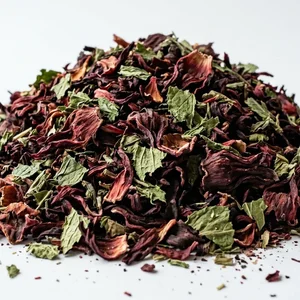
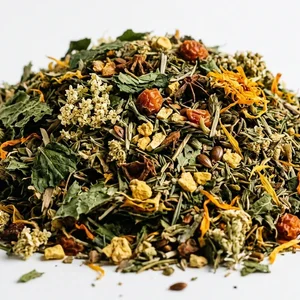
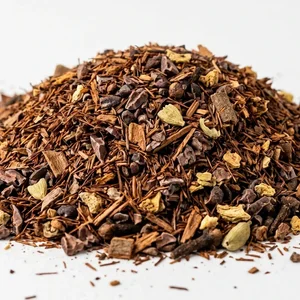
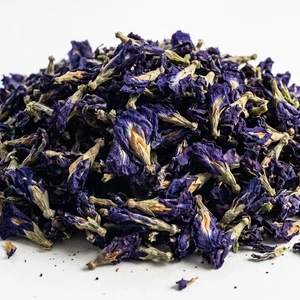
Butterfly Pea Flower Tea is listed here because it doesn't rely on cinnamon, ginger, licorice root, or turmeric — but it carries its own caution, explained below, since it's studied for a blood-sugar-lowering effect of its own.
Tell Your Care Team What's in Your Cup
Our teas are crafted as everyday culinary and wellness beverages, not as medicine, and they are not intended to treat, diagnose, or replace any treatment for diabetes. That said, herbs are herbs, regardless of who sells them or how they're packaged.
If you manage diabetes or take blood sugar medication, please treat every herbal tea the same way, including ours: bring the ingredient list to your appointment, and don't start, continue, or stop drinking any herbal tea without your care team's input.
Herbal Tea & Blood Sugar FAQ
General answers only. Please confirm anything specific to your situation with your doctor or pharmacist.
Can I drink herbal tea if I have diabetes?
It depends on the herb, your specific medications, and your overall treatment plan. There's no universal "safe list" — always check with your doctor or pharmacist before starting or continuing any herbal tea.
Why would a blood-sugar-lowering herb be a problem?
If you're already taking medication that lowers blood sugar, adding an herb that does the same thing can push blood sugar down further than intended, raising the risk of hypoglycemia.
Does butterfly pea flower really affect blood sugar?
Small human and animal studies suggest it may blunt post-meal blood sugar and insulin spikes, though the American Diabetes Association says evidence isn't yet strong enough for a clinical recommendation. Worth discussing with your care team either way.
Is cinnamon safe for people with diabetes?
Many people with diabetes do enjoy cinnamon, but because it's been studied for blood-sugar-lowering effects, it's worth mentioning to your care team, especially if you're on insulin or other glucose-lowering medication.
What should I bring to my appointment to discuss this?
A simple list or photo of the ingredients on any tea or supplement packaging is genuinely helpful and makes the conversation easier and faster.
Where can I find more detailed, medical-grade information?
The American Diabetes Association and the NIH's National Center for Complementary and Integrative Health publish detailed, regularly updated information on herbs and supplements for diabetes. Links are provided below.
Additional Reading
For detailed, regularly updated medical information, we recommend these established resources.
When In Doubt,
Ask Before You Sip
Herbal tea can be a comforting part of daily life, but with diabetes or blood sugar medication, the safest choice is always the one made together with your doctor or care team. Explore our related guides on Can Tea Replace Medicine? and Tea and Blood Thinners.