
Best Herbal Tea for Lungs and Breathing: Natural Support
Explore traditional herbs and botanical teas commonly associated with respiratory wellness, throat comfort, and soothing herbal routines.
Herbal Tea & Respiratory Wellness
Looking for a natural way to support your lungs and breathing? Certain herbal teas have traditionally been used as part of routines centered around respiratory comfort, soothing the throat, and overall wellness.
Among the most well-known herbs are Mullein Leaf and turmeric , both commonly found in traditional herbal wellness blends.
These botanicals have long histories of traditional use, and today they remain popular ingredients for people who enjoy warm, comforting herbal infusions as part of their everyday wellness routine.
Mullein Leaf
Discover more about this distinctive traditional herb in our Mullein Leaf Tea guide .
Turmeric Relief
Explore our Turmeric Relief herbal blend featuring turmeric, mullein leaf, and licorice root.
What Is the Best Herbal Tea for Lungs?
When people ask what the best herbal tea for lungs is, mullein leaf is usually the first answer — it's the most traditionally documented herb for respiratory comfort. But many of the best herbal teas for lungs combine mullein with complementary botanicals like licorice root, peppermint, and elderflower for a fuller, more soothing cup. Below, we break down each herb traditionally associated with breathing comfort so you can build a routine that fits your taste.
Scientific Perspective
Verbascum thapsus (common mullein) has been traditionally used for respiratory wellness for centuries. Modern scientific reviews have examined its phytochemicals and traditional applications, but researchers note that additional high-quality human clinical studies are needed before specific health benefits can be confirmed.
Reference:
Akram M, et al.
Health-promoting and disease-mitigating potential of Verbascum thapsus L. (common mullein): A review.
https://pubmed.ncbi.nlm.nih.gov/35088467/
More Herbs Traditionally Used for Respiratory Comfort
Beyond mullein and turmeric, a few other botanicals have their own long histories of traditional use in respiratory and throat-comfort blends.
Peppermint
Peppermint's cooling, refreshing quality has made it a favorite in traditional throat-soothing blends for generations. Learn more in our Peppermint plant profile .
Licorice Root
Licorice root is traditionally associated with throat comfort and is a common ingredient in respiratory herbal blends. See our Licorice Root Tea Benefits guide .
Elderflower
Elderflower has a long tradition of use during seasonal transitions, often paired with other soothing botanicals. Explore our Elderflower plant profile .
Chamomile
While best known for relaxation, chamomile's gentle, soothing character also makes it a common addition to comforting after-dinner and bedtime respiratory blends.
Everyday Habits That Support Respiratory Comfort
A warm cup of herbal tea works best alongside other simple habits.
Many people also find it helpful to:
- Stay well hydrated throughout the day
- Use a humidifier in dry indoor air
- Avoid smoke and strong irritants when possible
- Practice slow, deep breathing exercises
- Get fresh air and light movement daily
- Prioritize consistent, restful sleep
Teas for Lungs
Small-batch blends featuring the herbs above, ready for your routine.
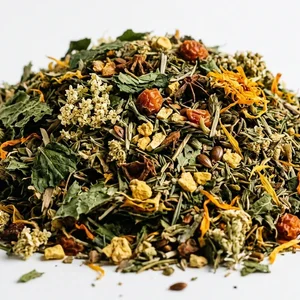
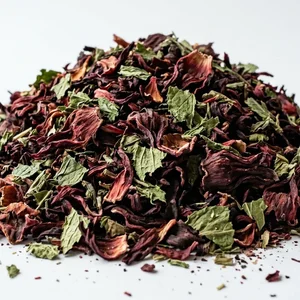

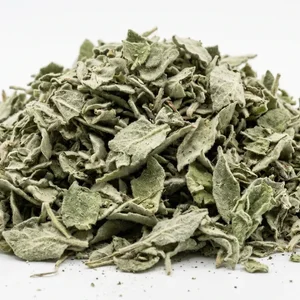
Shop Teas for Lungs
See the full Tea for Lungs Collection or shop our complete online tea shop.
Frequently Asked Questions
Learn more about mullein tea, traditional respiratory herbs, brewing, and what current research says.
What is the best herbal tea for lungs?
There isn't one tea proven to be the "best" for lung health. Herbs such as mullein, peppermint, ginger, thyme, and licorice root have long histories of traditional use for respiratory wellness. They should not replace medical treatment or professional advice.
Is mullein tea good for respiratory wellness?
Mullein (Verbascum thapsus) has been traditionally used for centuries to support respiratory comfort. Modern research has explored its phytochemicals and traditional uses, although additional high-quality human clinical studies are still needed.
Can tea clean your lungs?
No tea can clean or detoxify your lungs. Healthy lungs naturally remove mucus and particles on their own. Herbal teas may provide comfort and hydration but are not a cure or detox treatment.
Does Tea for Lungs contain caffeine?
No. Tea for Lungs is naturally caffeine-free, making it suitable any time of day.
How often can I drink Tea for Lungs?
Many people enjoy one to three cups daily as part of their wellness routine. If you are pregnant, nursing, taking medications, or have a medical condition, consult your healthcare provider before using herbal products.
How do I brew Tea for Lungs?
Use approximately one teaspoon of loose leaf tea for every eight ounces of freshly heated water. Steep for five to seven minutes, then strain well before drinking.
Are there scientific studies on mullein?
Yes. Scientific reviews have examined mullein's traditional uses and naturally occurring compounds while noting that more clinical research in humans is needed to confirm specific health benefits.
Who should avoid mullein tea?
People with known allergies to mullein or those who are pregnant, nursing, or taking prescription medications should consult a qualified healthcare professional before using herbal teas.