Best Tea for Sleep: Natural Herbal Teas to Help You Relax
Explore naturally caffeine-free herbal teas and traditional botanicals that can become part of a calm, comforting nighttime routine.
Struggling to Wind Down at Night?
Herbal teas have been used for generations to promote relaxation and support restful sleep. Naturally caffeine-free and gentle, sleep teas are a simple way to build a calming nighttime routine.
Herbs such as chamomile, passionflower, lemon balm, and lavender are commonly found in bedtime blends because of their long history of traditional use in relaxing evening rituals. A warm cup before bed can also give you a chance to slow down, step away from the day, and create a consistent signal that it's time to unwind.
Whether you're looking for a soothing bedtime blend or simply a caffeine-free alternative to your usual evening drink, herbal tea can be an easy and comforting addition to your nightly routine.
Learn More About These Bedtime Herbs
Each of these botanicals brings its own traditional history and flavor to a bedtime cup. Explore our full plant profiles to learn more.
Chamomile
One of the world's best-known bedtime herbs, with a delicate floral flavor and naturally caffeine-free profile.
Explore Chamomile →Passionflower
A traditional herbal wellness botanical with a long history in calming, bedtime-friendly blends.
Explore Passionflower →Lemon Balm
A member of the mint family, traditionally used to promote relaxation, with a light, citrusy flavor.
Explore Lemon Balm →Build a Restful Nighttime Routine
A calming cup of tea works best alongside other habits that signal to your body it's time to wind down.
Many people find it helpful to:
- Keep a consistent bedtime
- Dim the lights an hour before bed
- Put screens away early
- Keep the bedroom cool and dark
- Avoid caffeine later in the day
- Practice slow, deep breathing
Frequently Asked Questions
What is the best tea for sleep?
Chamomile, passionflower, and lemon balm are among the most popular herbs traditionally enjoyed as part of a calming bedtime routine.
Can herbal tea actually help you sleep?
Herbal tea isn't a treatment for insomnia or sleep disorders, but many people find the warmth, ritual, and naturally caffeine-free ingredients help them wind down before bed.
Is sleep tea caffeine-free?
Yes. Most bedtime blends are made from herbal botanicals rather than the traditional tea plant, so they're naturally caffeine-free.
When should I drink sleep tea?
Many people drink sleep tea about 30 to 60 minutes before bed, giving themselves time to relax before turning in.
Can I drink sleep tea every night?
Many people enjoy it as part of a nightly ritual. If you're pregnant, nursing, or take medications, check with your healthcare provider about regular use.
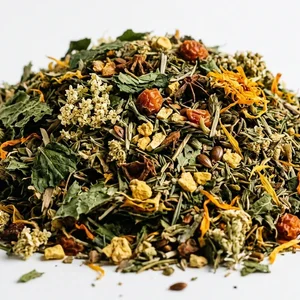
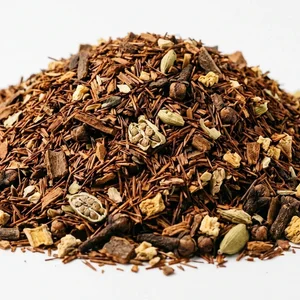
Teas for Sleep
Naturally caffeine-free blends built for winding down.

Shop Teas for Sleep
Explore our full Sleep & Relaxation Collection or shop our complete online tea shop.