
You open a tin of tea you forgot in the back of the cabinet, take a sniff, and wonder if it is still worth brewing. If you have ever asked, does loose leaf tea expire, the short answer is yes - but not always in the way people think.
Loose leaf tea rarely “expires” like fresh food does. Most of the time, it does not suddenly become unsafe the day it passes a printed date. What changes first is flavor, aroma, and the overall experience in the cup. For anyone who values tea as part of a daily ritual, that difference matters.
Does loose leaf tea expire or just lose freshness?
In most cases, loose leaf tea gradually loses freshness before it becomes truly unusable. Tea leaves are dried, which gives them a much longer shelf life than perishable foods. But dried does not mean timeless. Exposure to air, moisture, heat, light, and strong odors slowly breaks down the compounds that give tea its character.
That means an old loose leaf black tea may still brew safely, but it can taste flat. A delicate green tea may lose its grassy sweetness and become dull much sooner. Herbal blends can be especially variable because they often contain flowers, roots, spices, citrus peel, or other botanicals that age at different rates.
So when people ask whether loose leaf tea expires, the better question is usually this: is it still fresh enough to enjoy?

Sage & Crimson Ceramic Mug
16 oz handcrafted mug with a one-of-a-kind reactive glaze. Microwave & dishwasher safe.
$22.69
Shop NowWhat actually makes tea go bad?
Tea quality declines for a few simple reasons. Oxygen slowly steals aroma. Light can degrade color and flavor. Heat speeds up that process. Moisture is the biggest concern because it can lead to clumping, staleness, and in the worst cases, mold.
Tea also absorbs surrounding smells with surprising ease. If your jasmine green tea has been living next to spices, coffee, or cleaning products, the leaf may pick up those odors. That is one reason premium loose leaf tea is usually packed in sealed, protective packaging and best kept in a cool, dry cupboard.
Small-batch tea often has more vivid aromatics to protect, which is wonderful when it is fresh and disappointing when storage is careless. If you invest in organic blends crafted for flavor and wellness, proper storage is part of getting the full value from the leaf.
How long does loose leaf tea last?
There is no one-size-fits-all shelf life, because tea types age differently.
Black tea tends to be the most forgiving. When stored well, it can hold its character for around 18 to 24 months, sometimes longer. Oolong can also last well, though lighter, greener oolongs usually fade sooner than darker, more oxidized styles. Green tea is more delicate and often tastes best within 6 to 12 months. Matcha has an even shorter freshness window once opened.
Herbal tea and functional wellness blends sit in the middle. Some roots and spices, like ginger or turmeric, can hold up well. More fragile ingredients, such as mint, lavender, chamomile, or citrus peel, can lose their lift faster. If a blend is chosen for both flavor and a calming bedtime ritual, freshness matters more than a technical expiration date.
Pu-erh is a special case because certain styles are intentionally aged. But that is a controlled category with its own storage culture, not a reason to assume every old tea gets better with time.
Signs your loose leaf tea is past its best
The easiest test is your senses. Fresh tea should still have a distinct aroma when you open the pouch or tin. If the leaves smell weak, dusty, or oddly like cardboard, the tea is probably stale.
Look at the leaf as well. If it seems faded, overly brittle, or clumped from humidity, quality has likely dropped. If you see any sign of mold, actual dampness, or an off smell that suggests mildew, do not brew it.
Then there is the cup itself. If the infusion looks unusually dull and the flavor seems hollow no matter how carefully you steep it, the tea may simply be too old to deliver what it once did.
Not every tea that has lost some brightness needs to be thrown away immediately. A strong black tea that is slightly past peak may still work for iced tea or a latte. A nuanced green tea, on the other hand, has less room to hide age.
Does loose leaf tea expire faster after opening?
Yes, once opened, the clock moves faster. Every time you unseal a bag or tin, the leaves meet fresh air, ambient humidity, and the aromas in your kitchen. That does not mean tea spoils overnight, but it does mean storage becomes more important.
If you buy several teas at once, it helps to open what you plan to drink regularly and leave the rest sealed until needed. This is especially useful for delicate green teas, floral blends, and herbal teas with volatile aromatic oils.
For regular tea drinkers, smaller quantities can actually preserve quality better than buying a very large bag you will not finish for a year. Freshness is part of the luxury.
The best way to store loose leaf tea
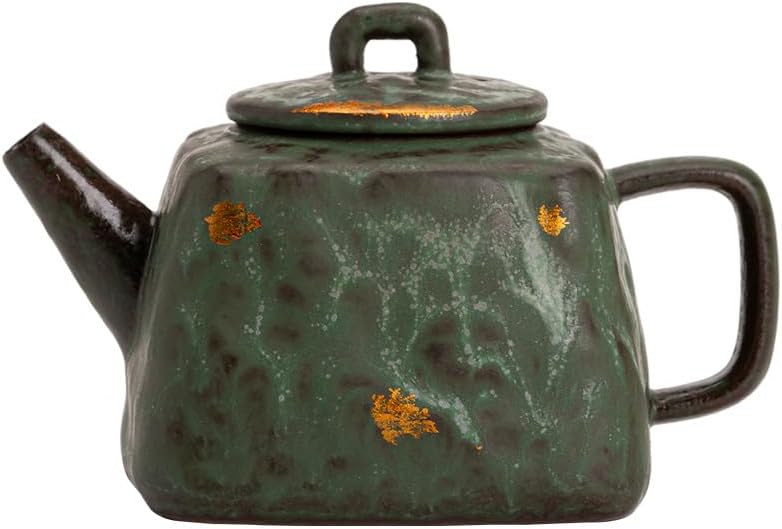
Vintage Bronze Glaze Teapot
A rustic, old-world Chinese-style teapot with a rich bronze glaze — perfect for brewing loose leaf tea the traditional way.
$56.91
Shop NowTea does best in an airtight container kept away from light, heat, and moisture. A dedicated tea tin or opaque resealable pouch stored in a cool pantry is ideal. Clear jars on a sunny countertop may look beautiful, but they are not the best long-term home for your leaves.
Avoid storing tea above the stove, beside the dishwasher, or in the refrigerator. Kitchens create steam, temperature swings, and odors that tea readily absorbs. Refrigeration sounds practical, but it can introduce condensation when containers are opened and closed.
A good rule is simple: keep tea dry, dark, cool, and sealed. If you are building a thoughtful tea shelf, organize by type and use the more delicate teas first.
What about the date on the package?
A best-by date is helpful, but it is not the whole story. It usually reflects when the producer expects peak quality under proper storage, not a hard safety deadline. A well-packed tea stored carefully may still taste quite good after that date. A poorly stored tea can taste tired long before it.
This is where quality sourcing matters. Organic, small-batch tea handled with care from blending to packaging usually gives you a clearer, more vibrant starting point. At The Leaf And Cup, that focus on craftsmanship matters because a tea made for flavor, wellness, and ritual should still feel intentional when it reaches your mug.
When old tea is still fine to drink, and when it is not
If the tea has been stored properly, stays fully dry, and shows no signs of mold or contamination, it is often still safe to brew even after peak freshness has passed. The trade-off is quality. You may not get the aroma, complexity, or wellness-forward sensory experience you originally bought it for.

ZENS Tea Infuser Mug
15 oz embossed ceramic infuser mug with fine strainer and natural wood handle — ideal for loose leaf tea.
$22.95
Shop NowIf the tea smells sour, musty, or strangely chemical, toss it. If there is visible mold, toss it. If moisture got into the container, do not try to rescue it. The cost of replacing tea is far lower than the cost of taking chances with a compromised product.
A practical way to use what you have
If you are unsure about an older tea, brew a small cup before making a full pot. Use slightly less leaf than usual at first, then adjust. Sometimes an older tea tastes better with a shorter steep, especially if it has become a bit woody or dry. Other times, increasing the leaf helps recover some body, though it will not restore lost aromatics.
And if a tea is clearly faded but still clean, you can repurpose it. Black tea can work in baking or as a base for iced tea. Certain herbal blends can be used in a simple stovetop simmer pot for aroma, as long as the ingredients are still dry and sound.
Tea is one of the gentlest daily luxuries, but it is still an agricultural product. It changes over time. That is not a flaw - it is part of what makes freshness, sourcing, and storage worth paying attention to. When your tea is vibrant, well kept, and brewed at the right moment, the cup gives back everything it promised.